Columbia Green Square Mile
Our Tree Programs
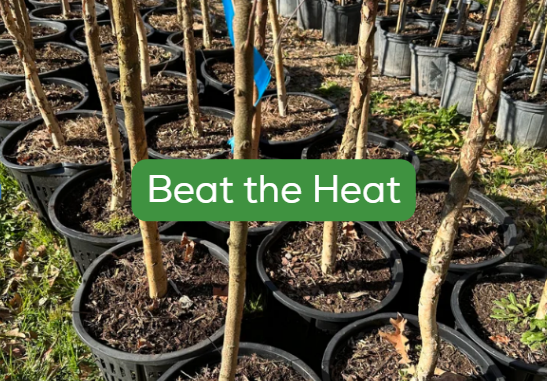
Our tree planting initiatives and events are designed around our mission…to plant one square mile of shade trees in our community. Check out how we’ll do it with our tree planting programs below!

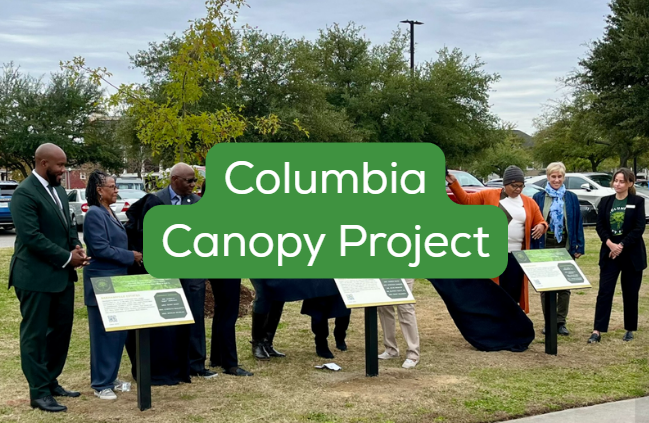
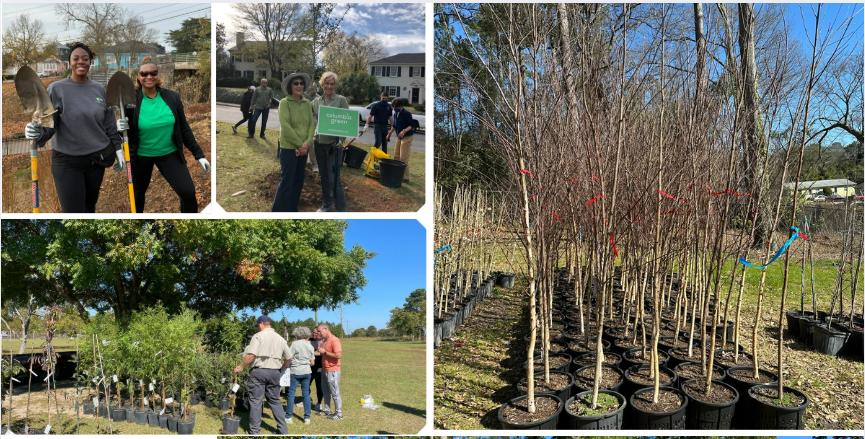
Have you planted a tree recently? Help us track our urban canopy by logging your tree in our registry!
Why Urban Canopy?
Climate Change
“Studies have even proven that one mature tree can produce the same cooling effect as 10 room-sized air conditioners. This becomes an effective tool in reducing urban heat islands and hot spots in cities. Trees can also save up to 10% of local energy consumption through their moderation of the local climate.” — Why We Need Trees in Our Cities, SmartCitiesDive
“Trees act as a carbon sink by removing the carbon from CO2 and storing it as cellulose in the trunk while releasing the oxygen back into the air. A healthy tree stores about 13 pounds of carbon annually - or 2.6 tons per acre each year.” — Urban and Community Forestry: Improving Our Quality of Life, South Carolina Forestry Commission
Health Benefits
“Among community-dwelling adults, self-reported feelings of depression and worthlessness were significantly decreased and self-reported poor mental health was non-significantly reduced for those living near greened vacant lots compared with control lots.”
Effect of Greening Vacant Land on Mental Health of Community-Dwelling Adults, Eugenia C. South, MD, MS; Bernadette C. Hohl, PhD; Michelle C. Kondo, PhD; John M. MacDonald, PhD; Charles C. Branas, PhD, July 2018
“…only two hours of being within nature can lead to a host of benefits like reducing blood pressure, lowering blood sugar levels, improving memory and boosting the immune system. Average sleep increased 15 percent, white blood cells responsible for fighting cancer shot up and the stress hormone cortisol dropped.”
The Doctor Prescribing a Walk in the Woods, OZY, 2019
Environmental Justice
“Low-income neighborhoods tend to be hotter than their wealthier counterparts. That was the finding of an investigation NPR did last fall with the University of Maryland's Howard Center for Investigative Journalism. Those hotter neighborhoods are not only poorer, they are also disproportionately communities of color. Now new research suggests that pattern was locked in nearly a century ago.”
— Racist Housing Practices From The 1930s Linked To Hotter Neighborhoods Today, NPR, 2020
“The urban heat islands are most prevalent in lower income neighborhoods, where residents are also less likely to have air conditioning or easy access to public cooling centers. In our fast-heating cities, climate change is threatening those who are already most vulnerable.”
— To Protect Vulnerable Populations, Plant More Trees, The Nature Conservancy, 2017