
Our Tree Canopy Isn’t Nice. It’s Necessary
By Jennifer Young, Columbia Green Executive Director
Our urban trees provide much more service the the community than most people realize. The science shows that they are necessary to our survival as more and more people move into cities.
I had an interesting conversation with Donaven Doughty, one of our new board members over coffee a few weeks ago. I can’t stop thinking about it. He was telling me about how he got started as a photographer in high school, taking pictures of abandoned buildings in Bridgeport, Connecticut where he lived. Once, he said he was on the 6th floor of an abandoned structure and found a tree growing there. On the 6th floor.
Picture that.
In that moment, standing there pondering this incredible sight, he said he came to understand something profound. “Mother Earth knows how to take care of herself,” he said. “It is humans who are going to be in trouble if we don’t pay attention to her.”
That’s what this post is about.
Taking care of the humans who live in greater Columbia requires taking care of our urban tree canopy. Because in this time of rising heat, our urban tree canopy isn’t nice. It’s not just a benefit. It’s necessary.
Heat Kills
I had a hard time writing this piece. My goal isn’t to scare anyone or shame anyone. It is to wake us all up to the current reality (which is pretty scary).
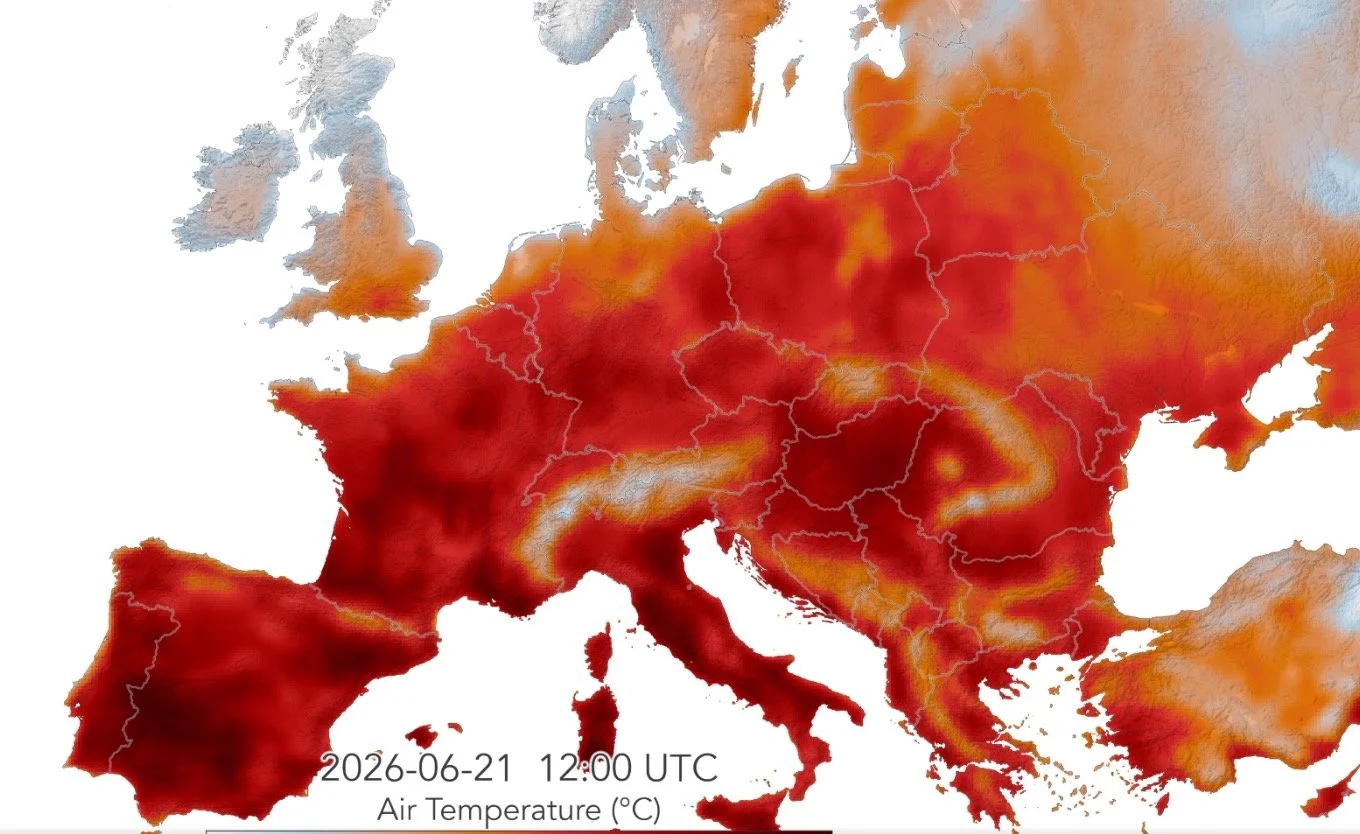
Source: NASA Article: Europe’s Scorching Summer. https://science.nasa.gov/earth/europes-scorching-summer/ Output from NASA’s GEOS global model shows daily maximum surface air temperature across Western Europe. The darkest red areas indicate temperatures that met or exceeded 40°C (104°F).
NASA Earth Observatory/Lauren Dauphin
All over the world, people are dying from rising heat. Western Europe, hit by four successive heat waves this summer, lost more than 25,000 people to excessive heat, with 16,000 of those deaths occurring in a single week when temperatures spiked to over 100°. Germany alone experienced 11,900 excess deaths. In the southern part of Belgium, death rates spiked 77% higher than expected during the heat event.
At the SC Public Health Association conference that several of us attended this year, the American Public Health Association (APHA) shared that heat is the #1 cause of death due to our warming climate. The APHA warned that extreme heat kills more people in the US than all other weather-related disasters combined, classifying it as a “pressing and deadly public health hazard.”
The message is simple: heat kills. But according to the APHA, only about 37% of Americans actually recognize heat waves as a serious threat to human health.
Why is Heat So Dangerous to Humans?
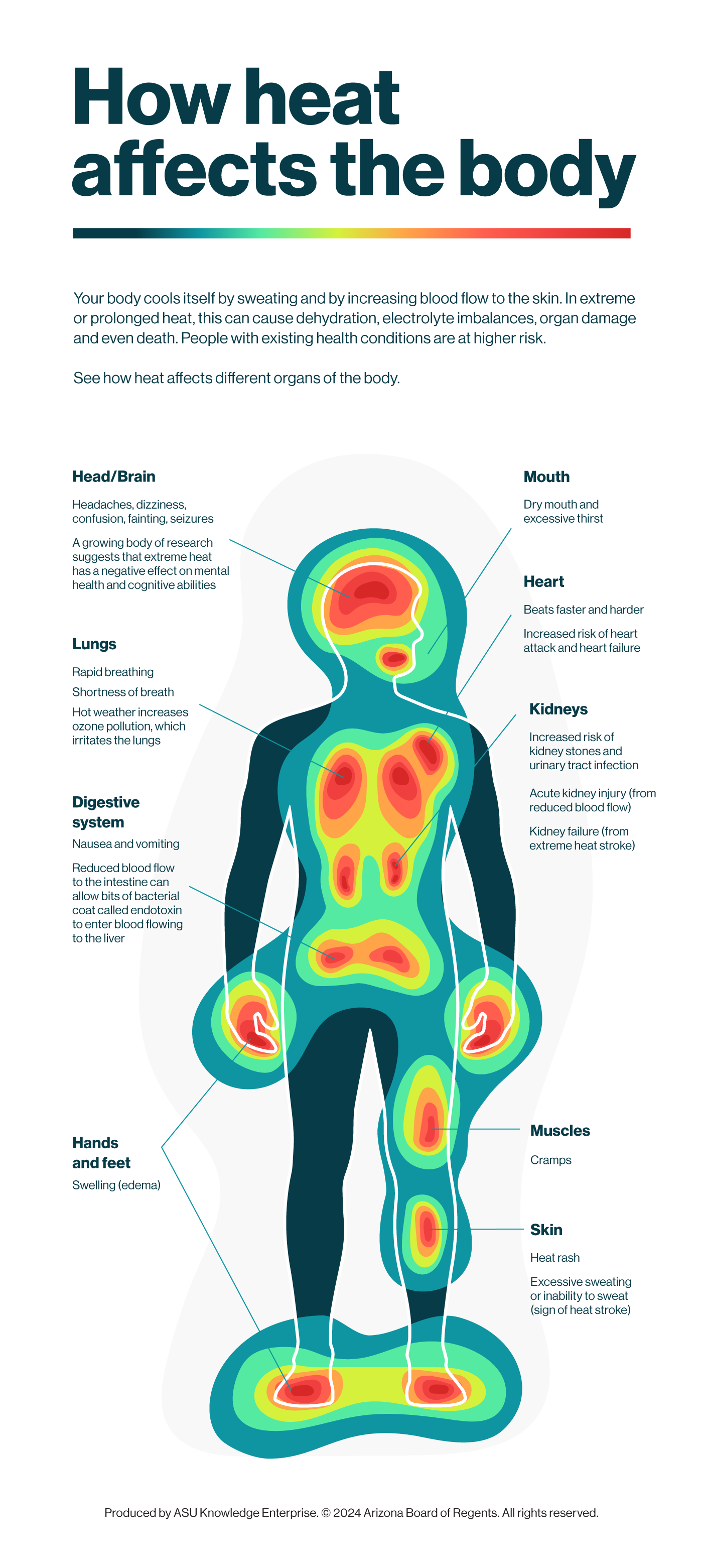
Source: Arizona State University News https://news.asu.edu/20240729-environment-and-sustainability-saving-lives-invisible-killer
According to the APHA, extreme summer heat waves trigger spikes in cardiovascular events, respiratory events, and strokes, sending over 235,000 people to the emergency room each year and causing 56,000 hospitalizations annually in the US. Why?
In a recent article by NPR about the problems associated with accurately counting deaths caused by heat, Sameed Khatana, a doctor and researcher at the University of Pennsylvania's Perelman School of Medicine, said "Heat is what people often call the silent killer, compared to things like hurricanes and typhoons."
He explains that heat is often the trigger causing health conditions like cardiovascular disease to go from manageable to fatal. For example, when heat stresses a person with cardiovascular disease, their heart starts beating faster and harder to shunt blood to the skin to cool the body. If someone's heart is already weak, it may not be able “to keep up with the demand that was required of it," he says. That can lead to something like a heart attack. Or a stroke.
The same is true of diabetes and respiratory illnesses. Heat is a stressor that causes changes within the body that can throw the entire system into distress and even collapse.
Heat kills. And sends hundreds of thousands to the emergency room each year.
Urban Heat is Becoming More Extreme
Over the past 60 years, the length of time when we can expect extreme heat has grown by six weeks. Here in greater Columbia, all parts of our metro area now experience 80 to 100 days a year when temperatures hover above 90° (lighter red on the Air Temperature map). Much of the inner city (dark red) experiences 100 to 200 days above 90°.
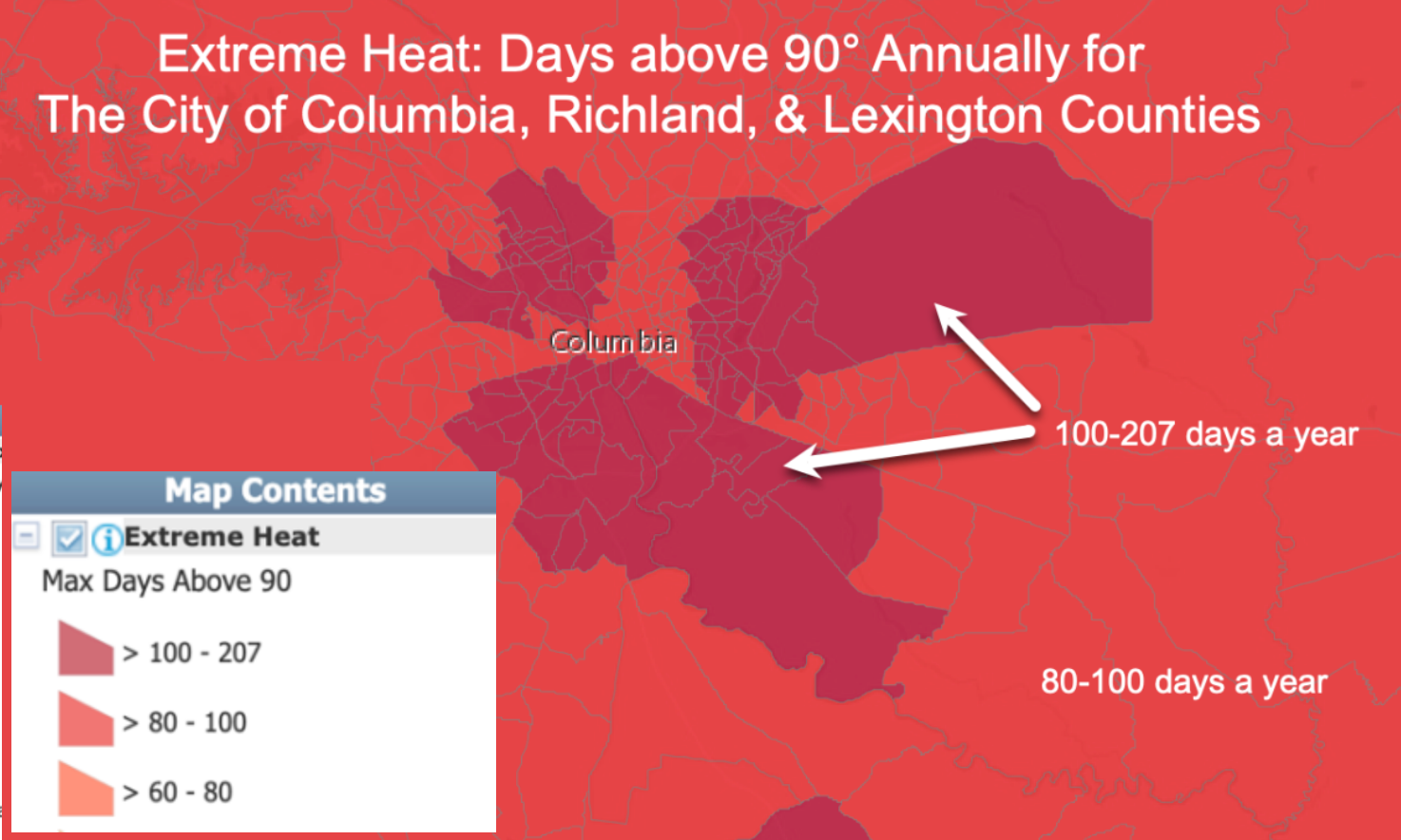
All parts of metro Columbia experience 80 to 100 days of 90° plus temps a year. But sections of the City with a high percentage of paved surfaces experience twice that number. Source: Environmental Justice Screening and Mapping Tool, EPA (now defunct).
Why the difference? Because unshaded hard surfaces (parking lots, roads, buildings) in our inner city absorb heat and act like radiators, superheating the air above and around them and causing an urban heat island effect.
Interestingly, when we talked about this with participants at the SCPHA conference, very few people in the public health community had ever heard of the urban heat island effect.
Urban Heat Islands and Surface Temperatures
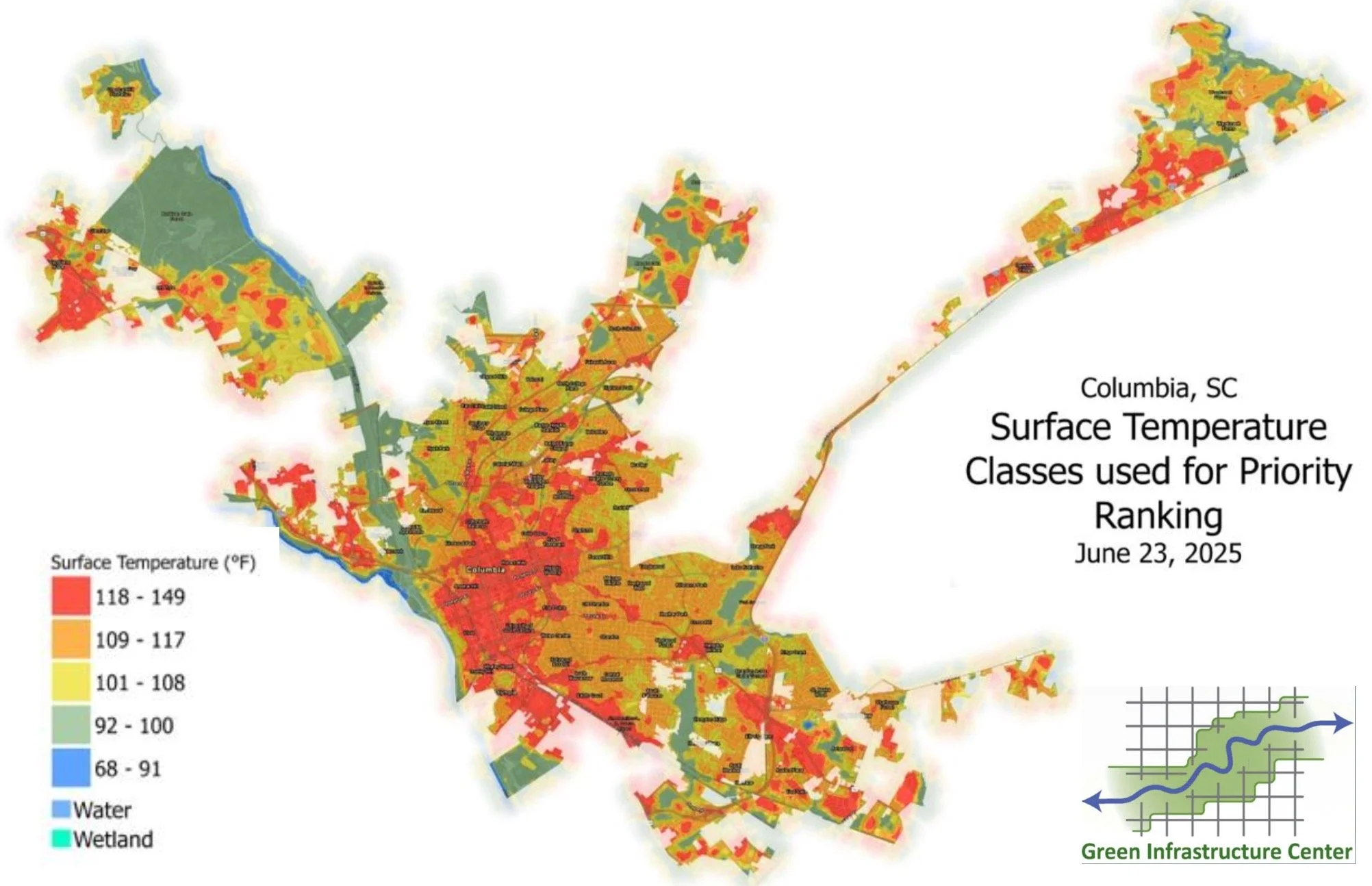
Surface Temperatures in red range as high as 149° when the heat index is 100°. Source: Green Infrastructure Center.
The City of Columbia is now a Trees4SC city, working with Green Infrastructure Center to map our current canopy cover related to heat and stormwater runoff, and to identify where we need trees and have room for trees. They created a Surface Temperature Map as one way to identify where we most need trees. The map shows that on a hot June day in 2025 when the heat index reached 100°, surface temperatures in many parts of the city (shown in red) ranged from 118° - 149°.
One hundred forty-nine degrees.
We may not be able to prevent rising temperatures due to our changing climate. But we definitely can do something about Columbia’s urban heat islands. We can remedy existing hot spots right now by planting trees, both to repair our protective urban canopy and shade the surfaces that absorb heat. We can stop painting parking lots black and paint them gray to reflect solar radiation rather than absorb it.
Trees Save Lives
Take another look at that surface temperature map. You see those areas of green? The biggest one is in the northwest part of the city…it’s Harbison State Forest where surface temps were 92° - 100° when the heat index was 100°. And you can see other areas of our existing urban forest that are providing shade and preventing temperatures from rising to deadly levels. It’s the trees.
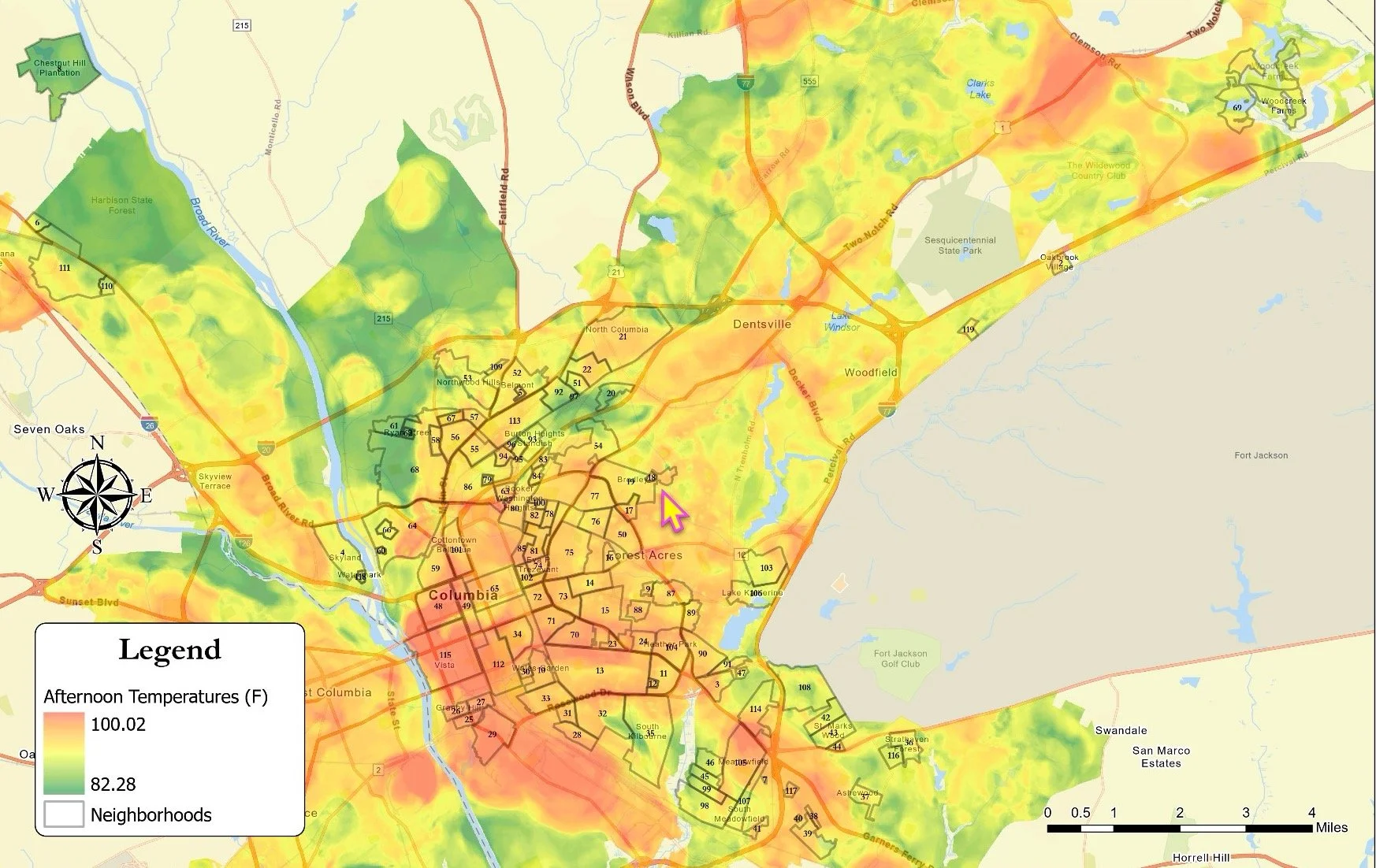
2025 Heat Map shows an 18° difference in air temperatures between well-shaded and unshaded areas of the City. Source: University of South Carolina
Our most recent heat map, created by researchers at the University of South Carolina shows an 18° difference between shaded and unshaded or under-shaded areas. What does that mean? On the same day and times that they took these measurements all over the city, temperatures downtown were 100°, while it was 18° cooler—82°—in forested areas.
It’s the trees.
So, What do we Do?
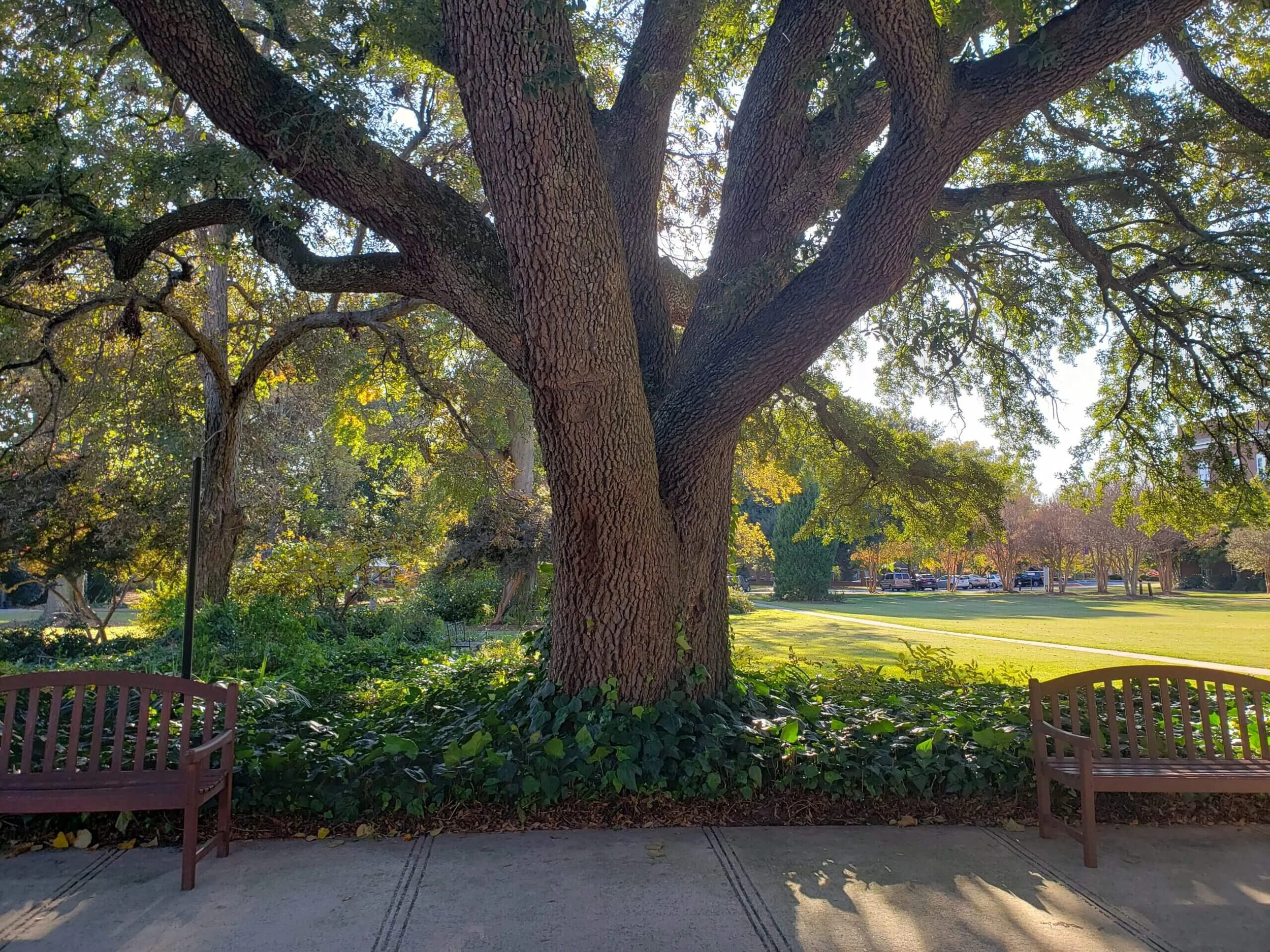
Live Oak Tree in Columbia. Source: City of Columbia
To create livable, beautiful, thriving city environments, we need trees and plants. At Columbia Green, we do everything we can to help everyone understand the many benefits of trees. Trees create shade and beauty. They increase property values, provide habitat for wildlife, and contribute to economic development. They clean the air of dangerous particulates, create oxygen, sequester carbon, and mitigate stormwater runoff.
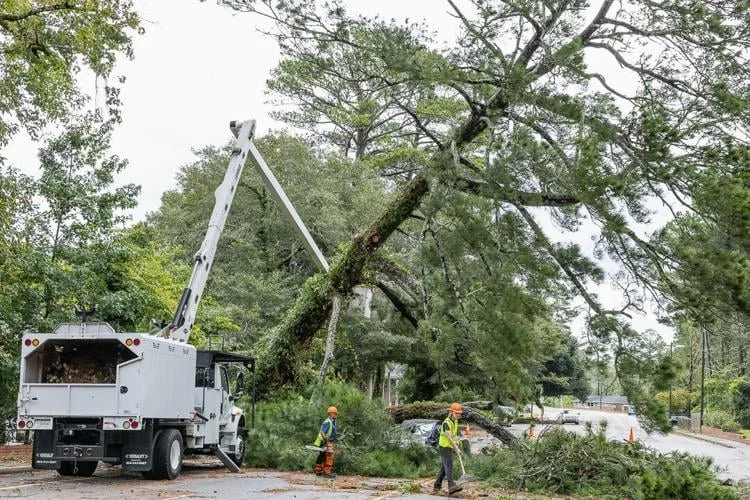
Storm Damage in Forest Acres. Source: The State
But lately, those of us in the urban forestry community across the nation are starting to realize that we are preaching to the choir. Because when we talk with people who are not already “fans” of trees about the “benefits” of trees, we run into many, many folks who are quick to point out why they don’t “like” trees.
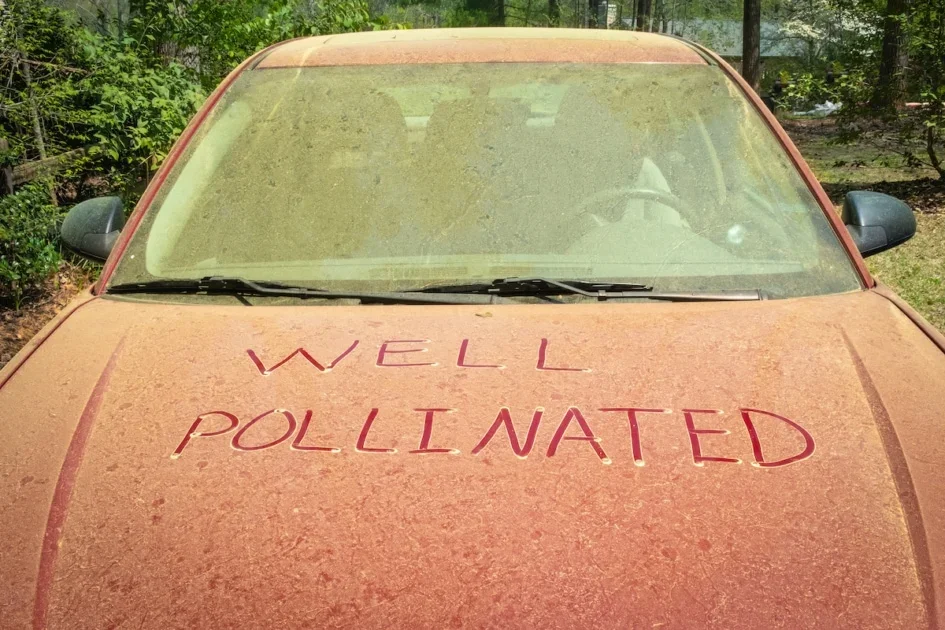
Pollen Season is a thing in SC Source: The Farmer’s Almanac
Consider this conglomeration of conversations I have had over the past year with people I know: “All that is nice, but I still don’t want trees in my yard because they drop leaves that have to be cleaned up.” “They drop branches on my cars”. “Look how this one lifted the concrete on the sidewalk. Makes people trip.” “Tree pollen makes my allergies flare up. And yuck. All that yellow stuff.” And worst of all, “You know that one big tree up the street toppled over in that storm and destroyed that guy’s home.” No trees for me.
And you know what? All those things are true. After all, trees are living things, and living things require care and attention. Even then, things can break or disease can set in. But we don’t kill grandpa when he falls and breaks a hip, and we don’t put Aunt Sofie down because she has emphysema. No, we provide care for our elders.
Perhaps talking about the “benefits” of trees misses the point. It’s like talking about the benefits of oxygen. Or the benefits of water, as though we would be just fine without them.
Trees aren’t just nice. They’re necessary for our survival in urban environments. And guess what? They represent a dirt cheap (pun intended) intervention for saving lives and improving health outcomes.
The Science that Supports Trees
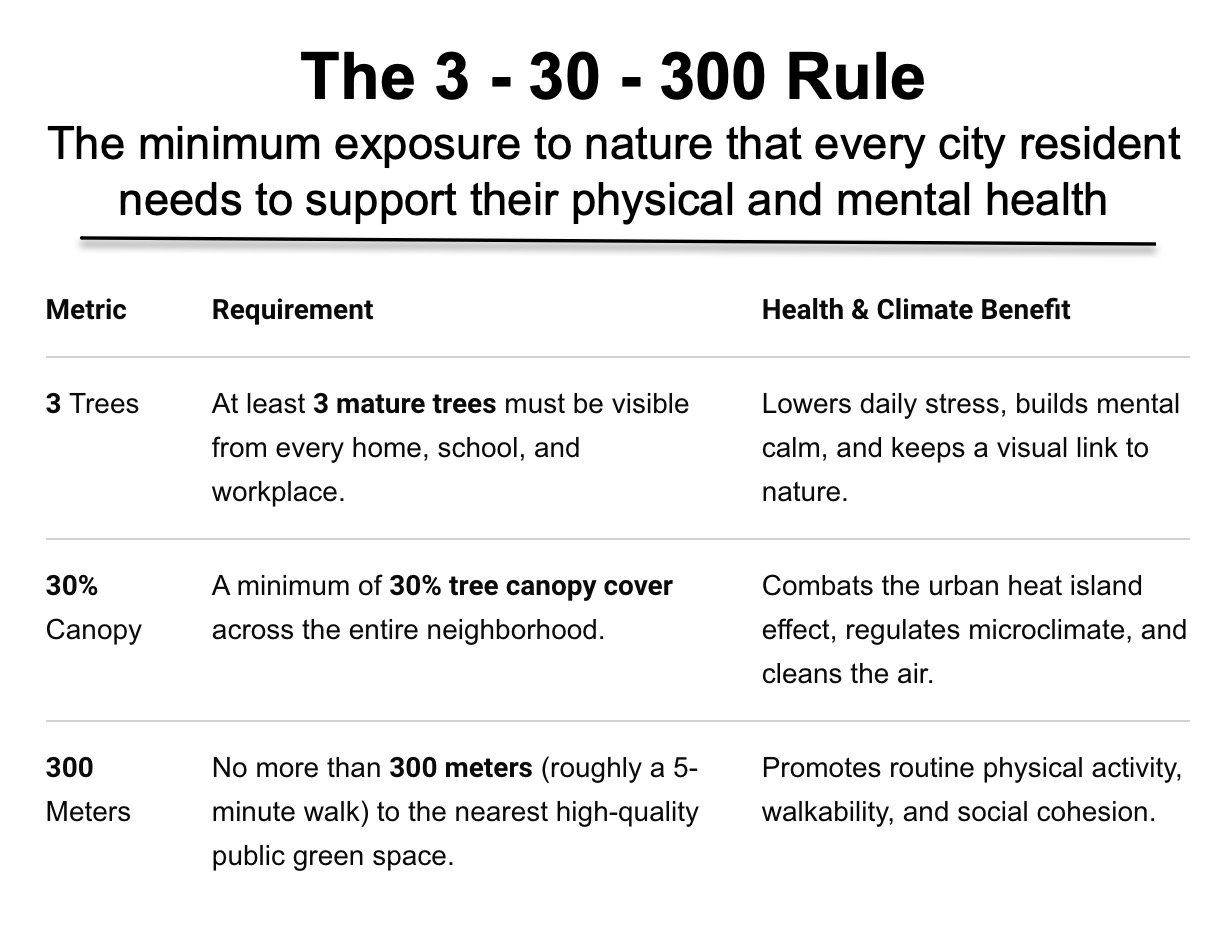
The 3-30-300 rule is an evidence-based guideline for urban forestry and green planning
Over the past 25 years, researchers have uncovered evidence creating a compelling argument for why every urban neighborhood should have at least 30% tree canopy coverage—not only to provide shade and cool things down, but to protect human health and well-being. We have known for years about strong associations between the prevalence of trees and mortality rates, birth weights, cardiovascular disease, and respiratory illnesses. Now we have causal studies to show that these relationships aren’t due to chance.
When researchers started noticing consistent associations between tree canopy and health, they began designing studies to control for confounding variables like gender, age, income levels, ethnicity, and accidental deaths. Over and over, in study after study, they find the same thing. More trees lead to better health outcomes. More trees lead to fewer deaths. Trees save lives.
Trees Lower Healthcare Costs
Regardless of gender, ethnicity, age, or income levels, people who live in areas with trees are healthier, and better health leads to healthcare savings. People living under a healthy urban canopy have fewer incidences of cardiac arrest and lower rates of asthma and respiratory illness. There are fewer babies born with low birth rates, lower incidences of diabetes, and lower rates of mortality.
In a California study by Kaiser Permanente, researchers examined healthcare costs for 5,185,594 unique KPNC members residing in the 22-county KPNC geographic service area across 2003–2015. They found that $374 less per person is spent on health care in areas with urban trees—with reductions in expensive trips to the emergency room that cost insurers the most. They concluded, “Greater levels of residential green cover were strongly associated with lower direct healthcare costs. An improved abundance of and access to residential green space—particularly at higher concentrations—may have a significant public health and economic impact.”
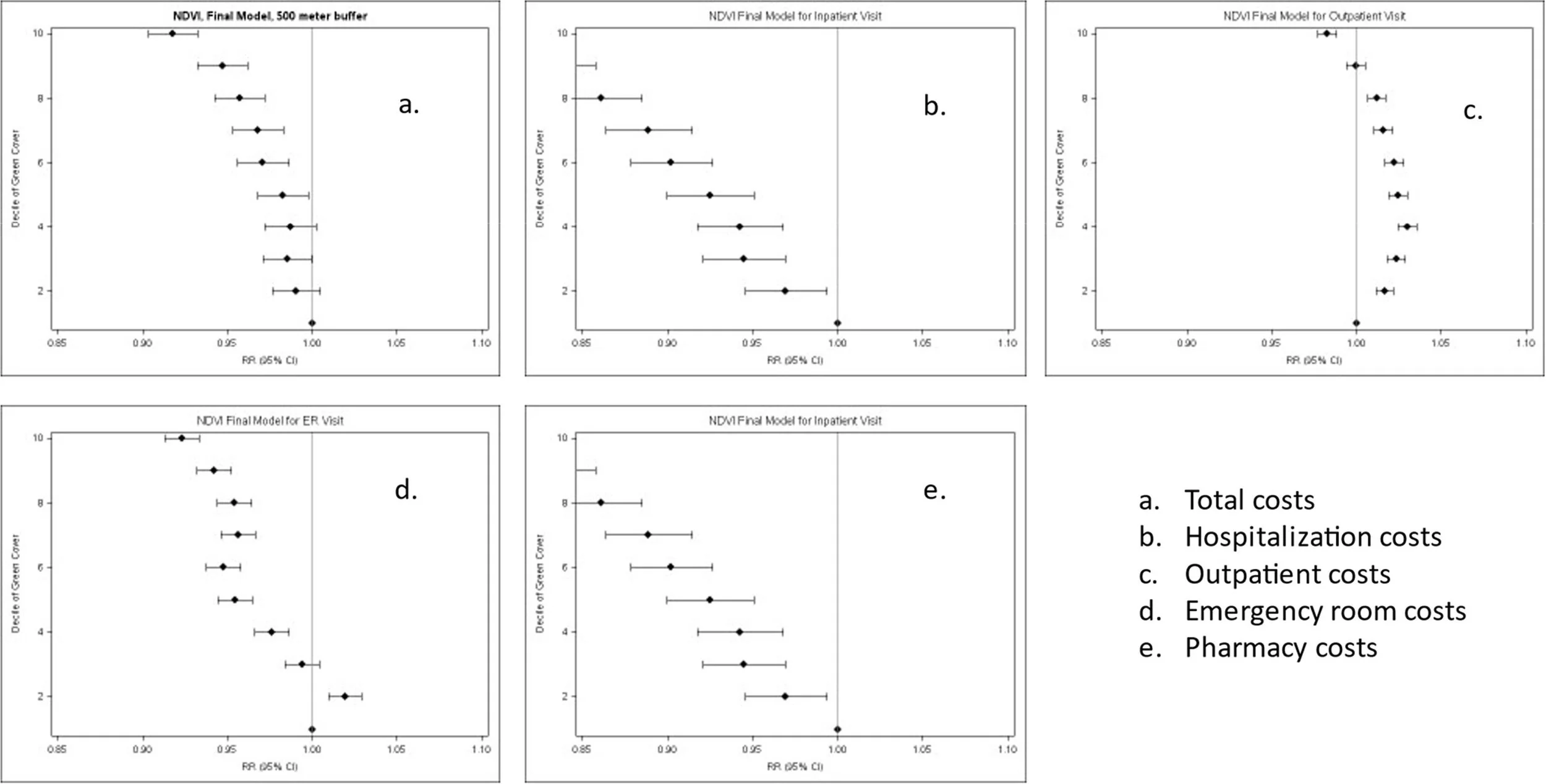
Kaiser Study: retrieved from https://www.sciencedirect.com/science/article/pii/S0160412022001003#f0010
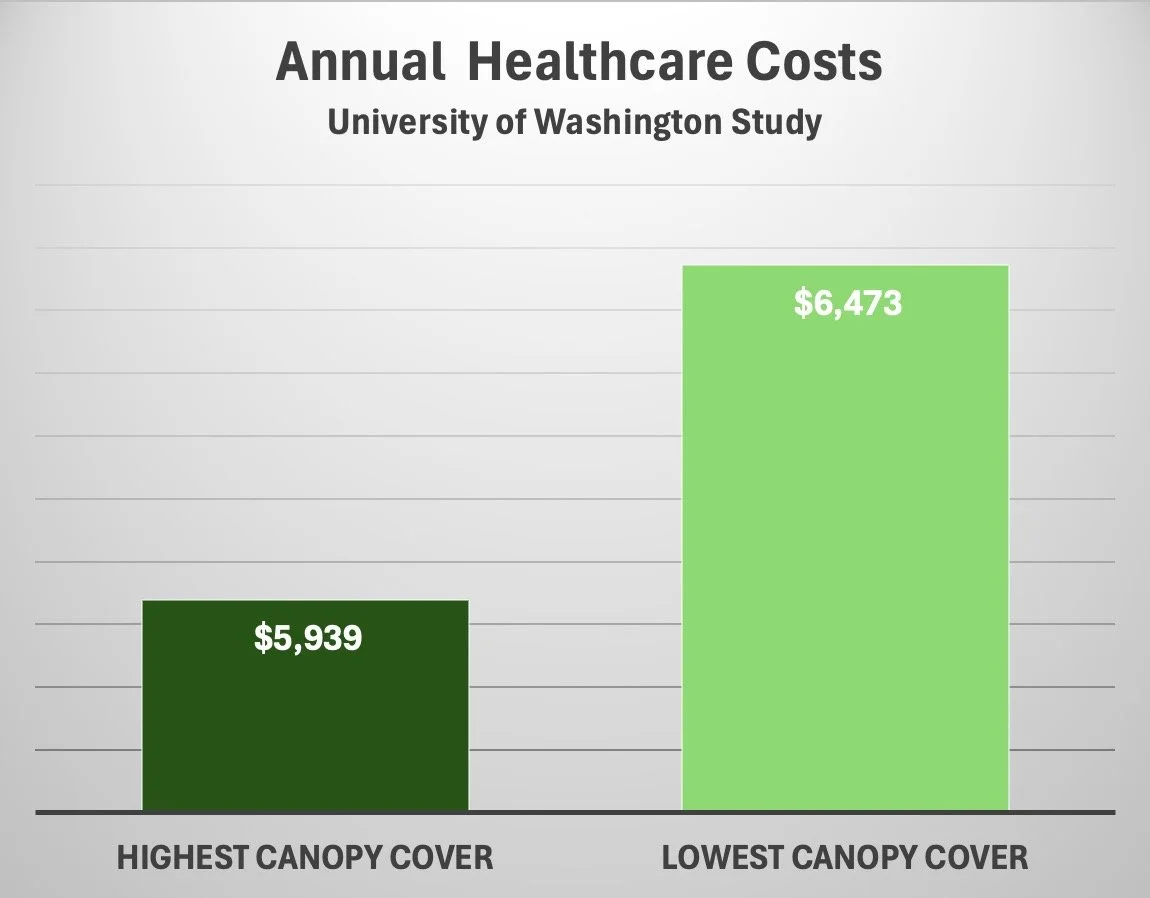
Data Source: University of Washington https://natureandhealth.uw.edu/
In an ongoing study at the University of Washington which builds on the Kaiser research, preliminary findings show a clear pattern. Residents living in the least green neighborhoods face estimated annual healthcare costs of approximately $6,473 per person, compared to roughly $5,939 for those in the greenest areas, a difference of nearly $533 per person per year. They note that the relationship is not linear: the dose-response pattern suggests that as residential vegetation exposure increases, healthcare cost savings may accelerate.
Adding Trees Decreases Mortality
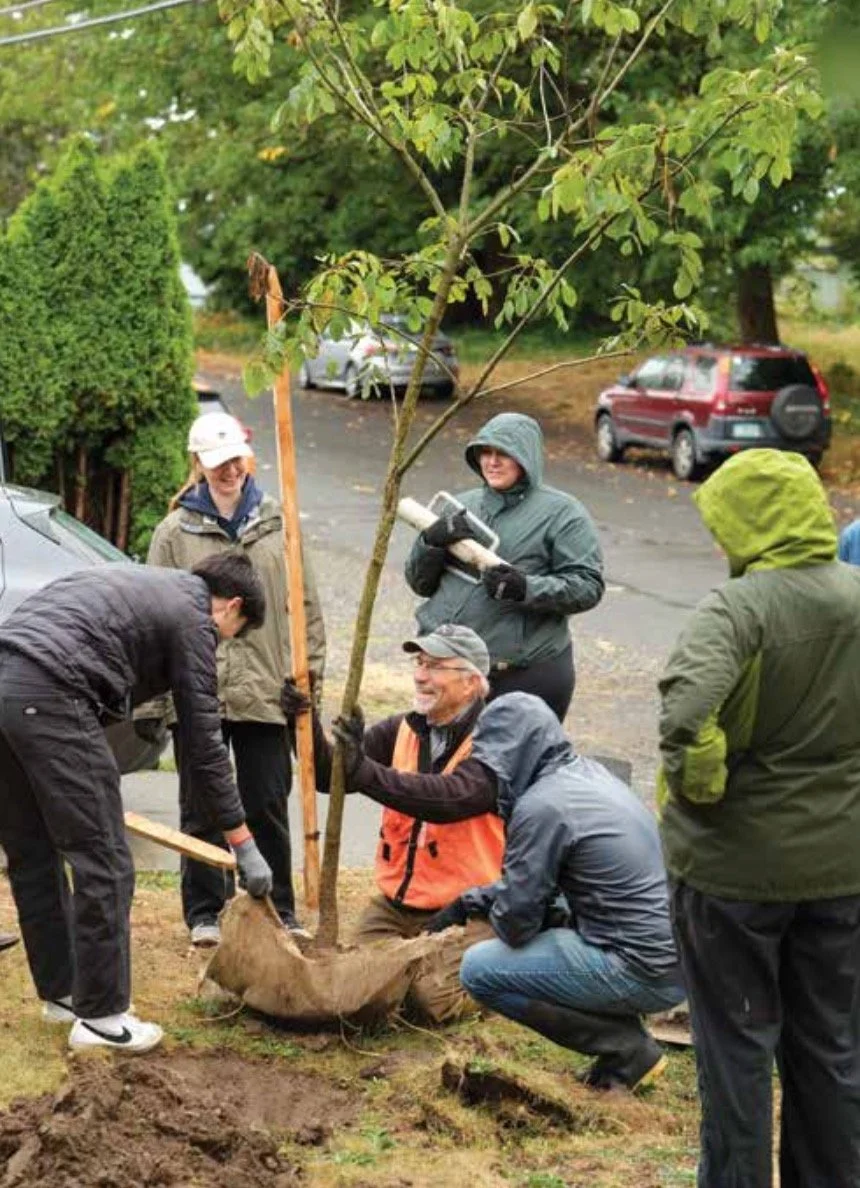
One of more than 50,000 trees planted by Friends of Trees over 30 years. Meticulous data on the location of each tree facilitated a study on urban trees and human health. Photo courtesy of Friends of Trees.
Researchers with the USDA Forest Service’s Pacific Northwest Research Station analyzed 30 years of tree planting data generated by Friends of Trees, a nonprofit organization that has planted thousands of trees throughout Portland, Oregon. They found that “Exposure to urban trees is associated with improved public health outcomes, including healthier infant birth weights, fewer symptoms of attention-deficit hyperactivity disorder, and decreased cardiovascular mortality. Conversely, tree loss is linked to increased rates of cardiovascular disease and higher mortality.” Furthermore, as trees mature, the health benefits increase.
Using the EPA’s value of a statistical life ($10.7 million) to estimate the economic impact of tree planting, they reported that “planting a single urban tree in each of Portland’s 140 census tracts is associated with $14.2 million in reduced mortality.” They estimated that for every 100 trees planted, one non accidental death was averted.
Losing Trees Increases Mortality
The converse is true as well. When trees die, people die.
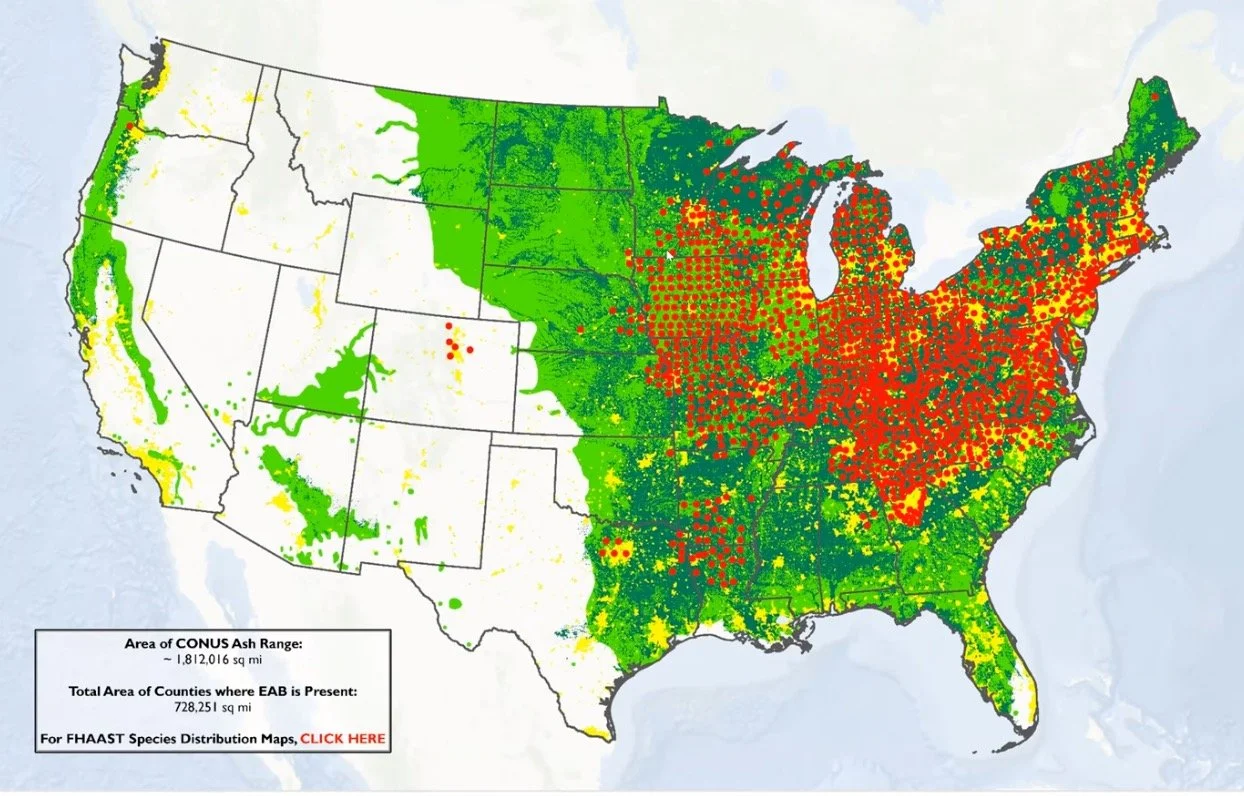
The Emerald Ash Borer infestation spanned across 15 state and killed millions of trees resulting in a increase in deaths from cardiovascular disease and lower respiratory disease.
When an infestation of the emerald ash borer swept through 15 states in the Midwest, killing millions of ash trees over a short period of time researchers saw the opportunity to look at the effects of tree loss on human health and mortality rates.
Analyzing data on demographics, tree loss from the emerald ash borer, and human mortality from lower respiratory disease and cardiovascular disease for 1990 through 2007, results showed that the spread of the emerald ash borer was associated with an additional 15,000 deaths from cardiovascular disease and an additional 6,000 deaths from lower respiratory disease. Further, human mortality increased the longer emerald ash borer was present and trees continued to die. Deaths occurred at higher rates in wealthier counties, where more trees are typically found in urban areas
Columbia: We Have an Opportunity to Reverse Health Trends Starting Now
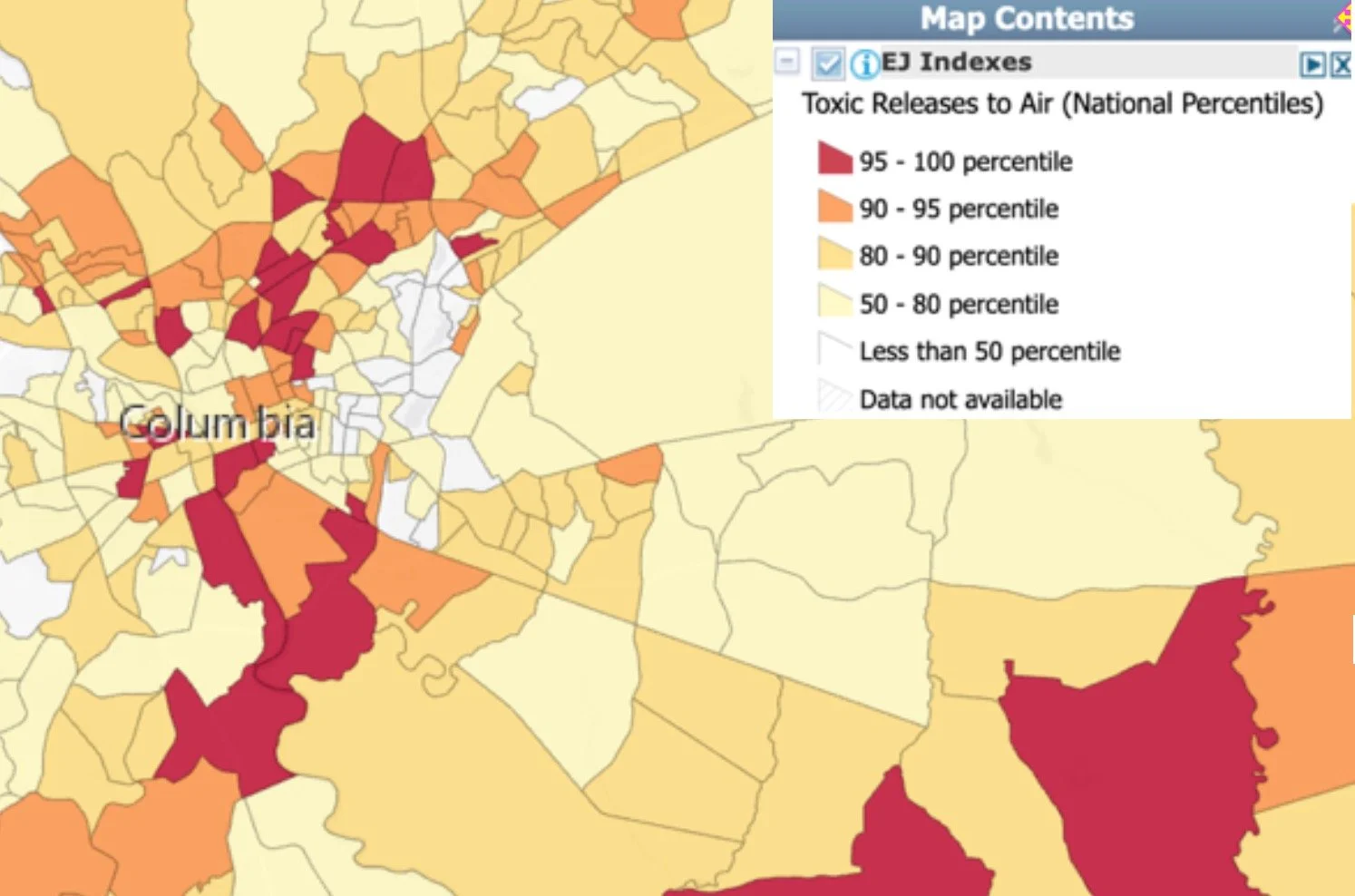
Map shows toxic releases to the air in the Columbia area. Low canopy areas with high traffic and industry (orange and red) are in the 90th-99th percentiles nationally.
We can create healthier neighborhoods by planting trees, Low canopy areas of greater Columbia are in the 98th percentile nationally for respiratory illnesses. Planting shade trees will clean particulates from the air, allowing them to be washed away by rain. And decreasing levels of dangerous 2.5 PPTs will save lives.
All of South Carolina lies in the “diabetes belt,” with one area of Columbia in the 99th percentile nationally for lower extremity amputees due to uncontrolled diabetes—a cardiometabolic illness. Encouraging people to adopt healthy habits like walking isn’t possible in neighborhoods without trees. It’s not healthy to walk when the heat index is over 95° and surface temperatures on unshaded asphalt and concrete can be up to 149°. We can do something about that.
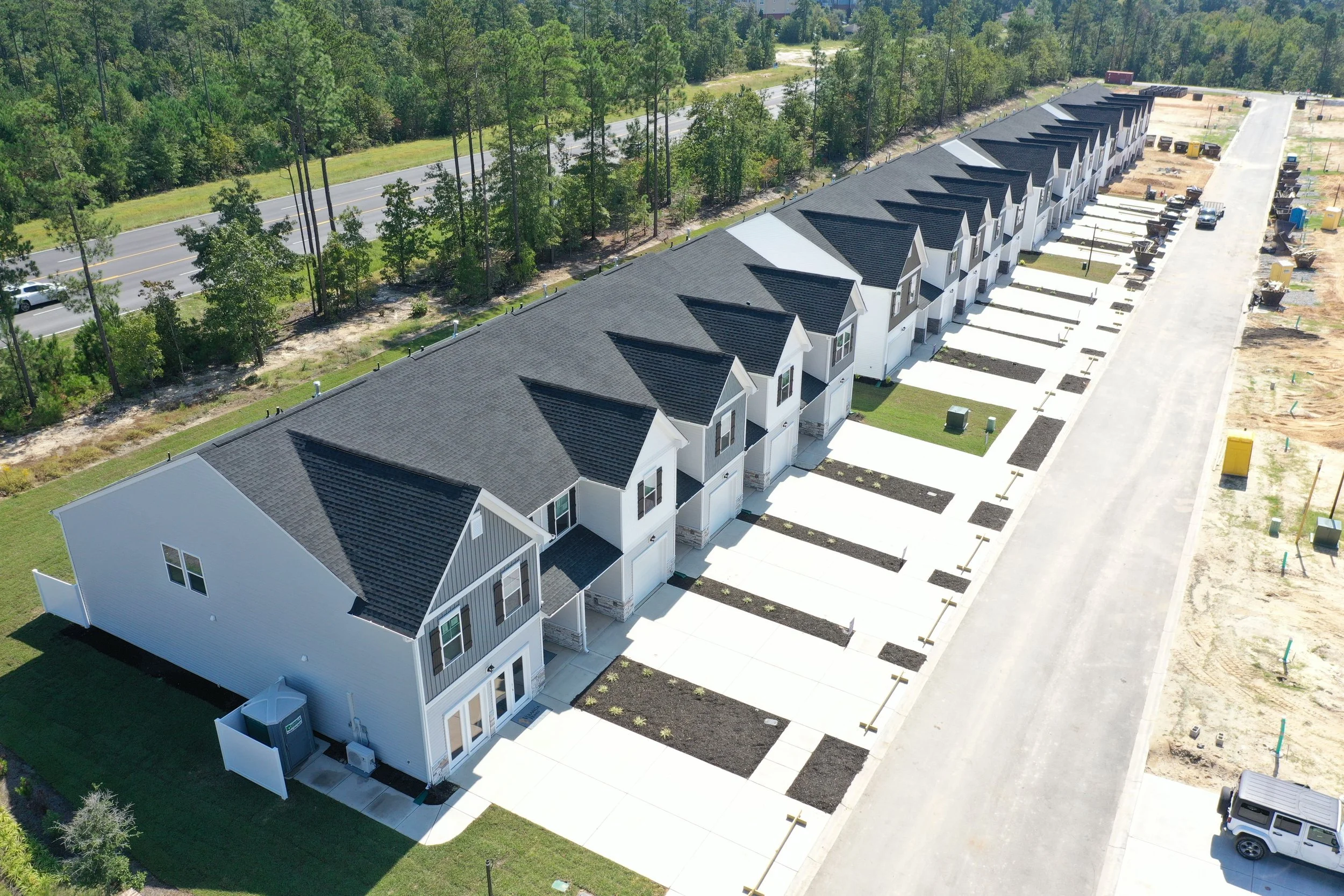
New neighborhoods are being built without room for trees in public rights or way or in yards—creating unhealthy living conditions for residents right from the start.
Our canopy is decreasing at an alarming rate, mostly due to development on private property. As a community, we can push for changes in our ordinances and put in place incentives for developers to:
preserve existing trees instead of clear cutting;
leave room for trees in public rights of way;
leave room for trees in yards; and
provide greenspaces within new neighborhoods.
The fact is, most people want trees. Just ask them.
Investing in Trees is a Public Health Imperative
Trees aren’t nice. They’re necessary for our health and survival in urban environments.
If we are serious about improving the health and the lives of the people of our city, we need to start a serious conversation with our healthcare institutions, insurance providers, and corporate leaders about trees as an investment in public health.
We need to engage developers, planners, and builders in understanding the incredible long-term burden we place on our community when don’t build neighborhoods, homes, retail and office spaces, hospitals and industrial campuses with full awareness about the serious environmental impacts on human health.
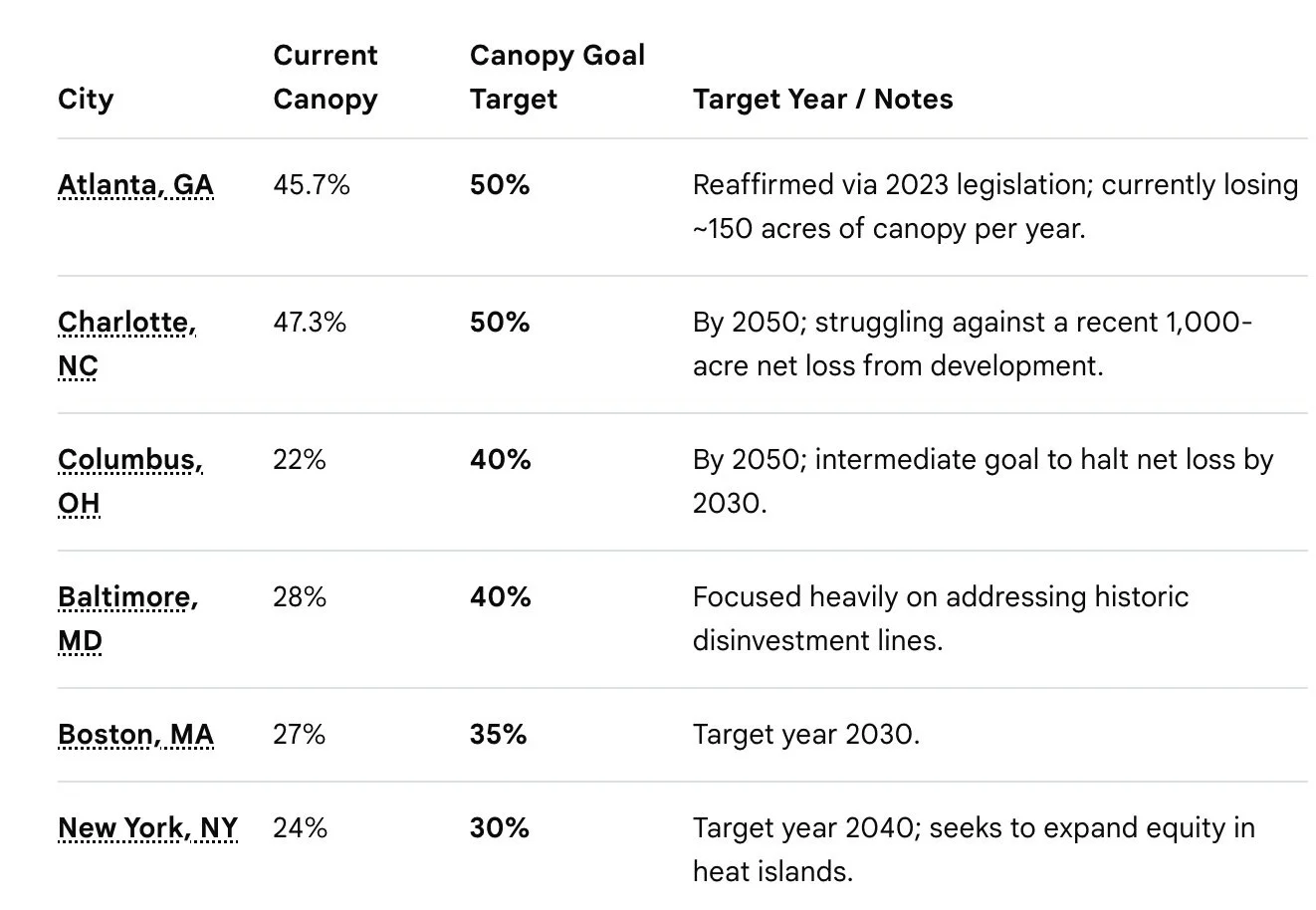
Tree Canopy Goal Targets by City. Source: Google Search
Cities all over the country are investing in their urban canopies. Recently, New York City announced their Urban Canopy Plan, calling 30% coverage by 2040—an increase of 7% over 14 years in a city that is covered by 70% impervious surfaces.
The goal set by the Trees4SC working group is to rebuild Columbia’s canopy to 45% coverage by 2046, an increase of 8% from our current canopy coverage of about 37%, With a community-wide effort to reforest our city—by planting new trees and caring for mature trees and preventing their destruction.
What would this require?
Collaborate. Educate. Fund. Commit.
In addition to protecting the trees we have and replacing the trees that come down due to age and storms,The Green Infrastructure Center estimates that we need to plant approximately 250,000 new upper story and midstory trees to reach 45% canopy coverage over the next 20 years. That’s 12,500 trees a year.
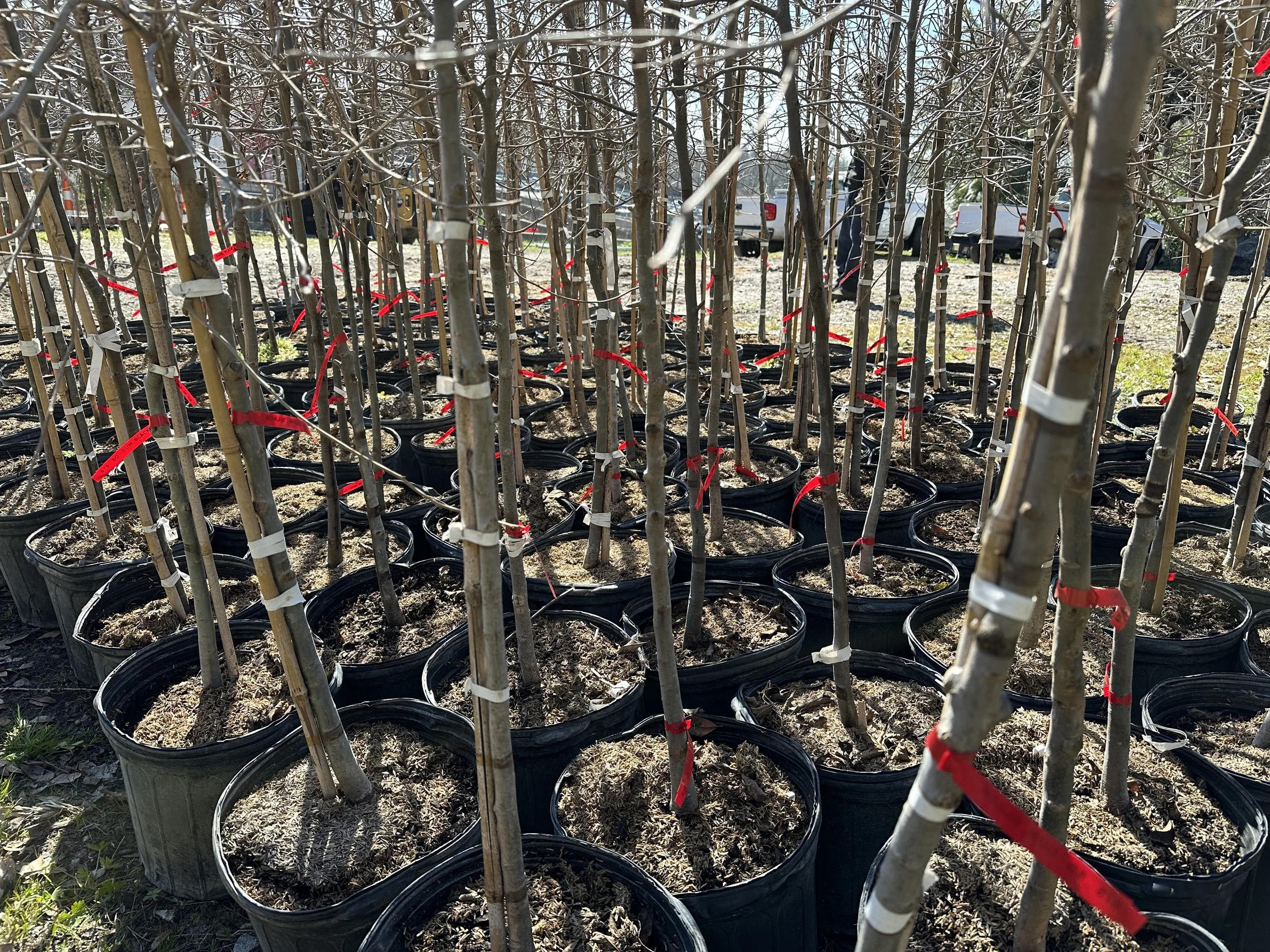
Columbia Green operates an online portal to accept requests for trees from property owners. We order the trees and they are delivered to the City of Columbia’s Public Works Department.
In 2024, the City of Columbia and Columbia Green launched Beat the Heat—Plant a Tree, designed to rebuild our tree canopy by giving away free shade trees to property owners. At present, it costs about $100 to fund a 7-gallon native tree and TreeDiaperTM watering device; and about $135 to fund a 15-gallon tree and TreeDiaperTM.
12,500 trees a year at $100-$135 a tree means we need to raise $1,250,000 to $1,687,500 a year.
Participating municipalities deliver the trees to their constituents who ordered them, along with a TreeDiaper watering device
Together, We Can Do This
Since launching Beat the Heat in 2024, Columbia Green has raised the money to purchase and distribute 1,800 trees to property owners across greater Columbia, and we are ready to distribute about 600 more this fall. We have managed this with the help of hundreds of volunteers, about a thousand property owners, and six municipal governments who pitch in to deliver trees to their constituents. Beat the Heat tree recipients dig their own holes and plant their own trees and water them and care for them.
We have raised money for trees with donations ranging from $10 to $50,000 from individuals, foundations, businesses, and corporations. Now imagine what we could do if more local businesses, foundations, healthcare providers and insurance companies got behind this effort?
What if our local businesses, corporations, healthcare institutions and foundations were to commit to rebuilding our urban canopy?
Planting 250,000 trees can save 2,500 lives, improve our quality of life, lower healthcare costs and improve health outcomes for us all.
What if?
It’s time to act, Columbia. We know what to do and we know how to do it. Join us, and let’s take this project to scale and rebuild our urban forest.
Are you in?
To find out how to join us as a Municipal Partner, and make your constituents eligible to receive free trees, email Kimberly at bthtrees@columbiagreen.org
