
April is National Native Plant Month!
Use native plants to increase wildlife habitat in your own backyard
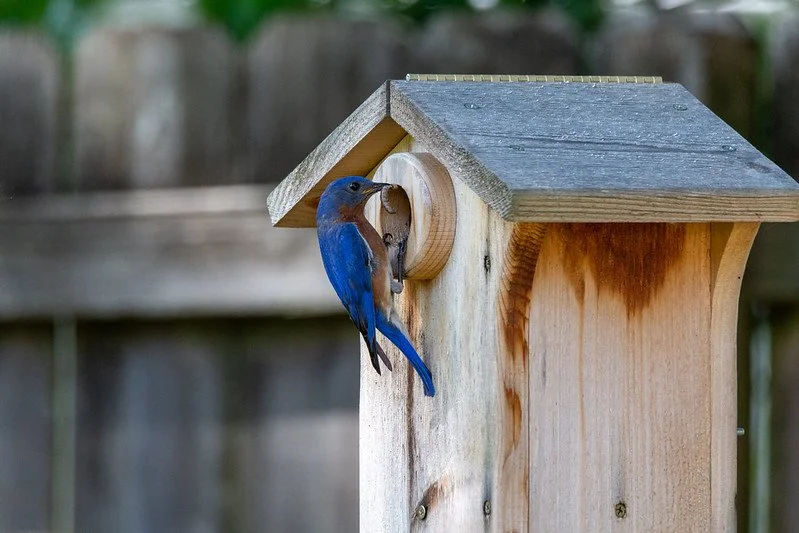
Eastern bluebird at nest box. Image by Jenion Tyson.
Article by Sara Green, Executive Director, South Carolina Wildlife Federation
Celebrate National Native Plant Month
A flash of bright color across the yard, the chorus of birdsong on a spring morning, the delight of children following a hopping toad, feelings of hope when finding new flower buds, joy and satisfaction as baby birds leave the nest – there are so many reasons to garden for wildlife in your own yard, and throughout your community.
South Carolina’s Rich—but Vulnerable—Habitats
South Carolina is blessed with an incredible diversity of natural resources that are both beautiful and accessible. There are many different habitat types, from mountain streams to rolling piedmont, sandhills with longleaf pine and coastal plain with bottomland hardwood forest, to highly productive saltmarshes, and expansive beaches. These diverse habitats provide for an incredible array of wildlife.
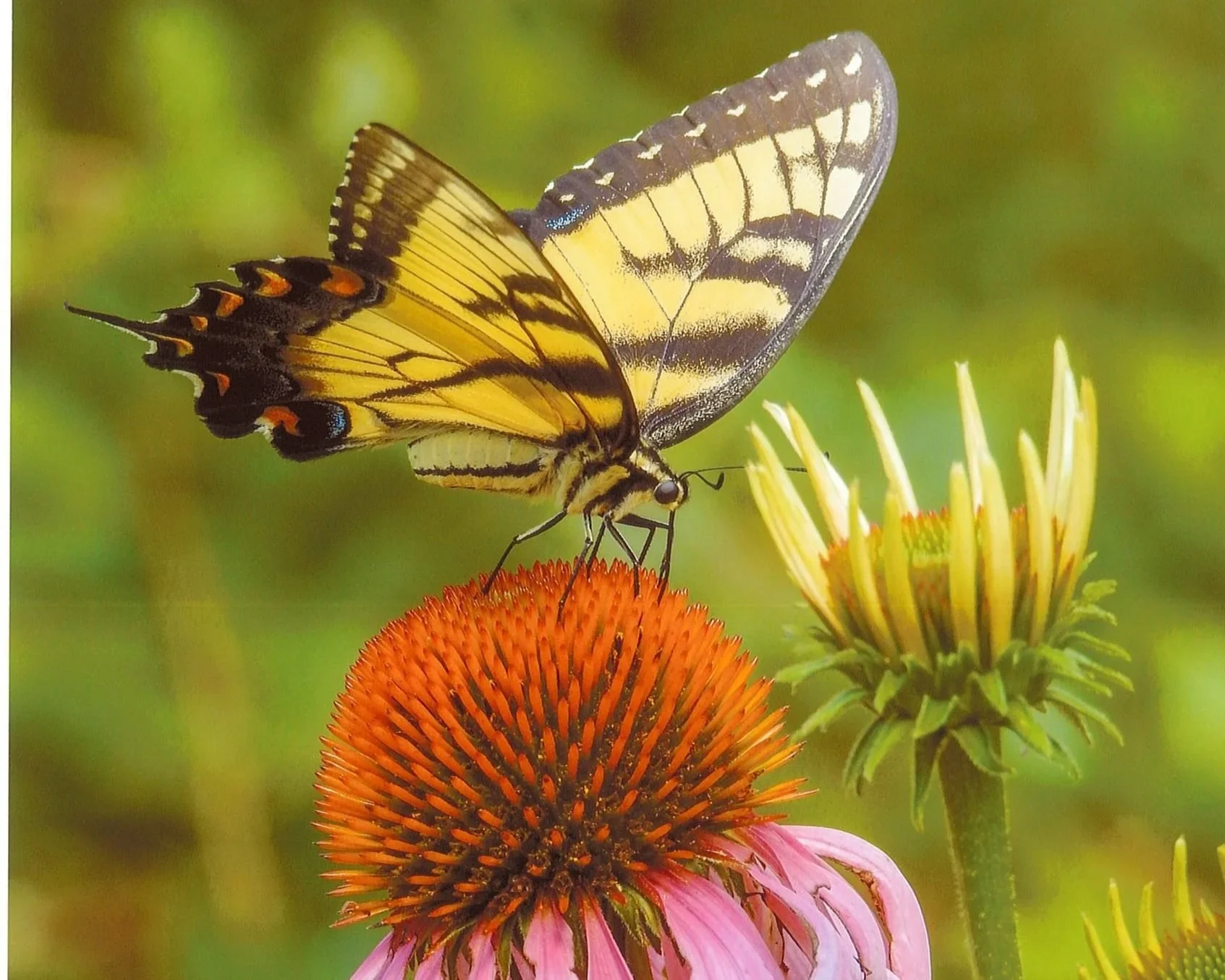
Eastern Tiger Swallowtail on a Purple Coneflower. Image by Stephanie DeRyke.
All our wildlife, the native plants they depend on, and the amazingly beautiful places that we cherish for vacations, for outdoor recreation, for solace - all of this is in jeopardy. There are threats in the form of new housing developments, invasive species, pollution, increased storms, flooding issues, and so much more, right here in our state.
We get overwhelmed thinking about all the threats that face wildlife and the natural areas that they rely on. Through amazing nature shows with breathtaking scenery and stunning footage, we see wildlife all over the world facing serious issues like pollution, climate change, and overharvesting.
Start Small: Make a Difference at Home
We’re hooked, we want to help, but we don’t know where to start. There is good news though! We don’t have to save the world all at once. It begins with small steps, little things we can each do that will have a big impact.
One step is right outside your own door. You can create a Certified Wildlife Habitat - even a small yard can be certified by the National Wildlife Federation after providing food, water, cover, and places to raise young. This action makes a big difference for wildlife and gives you the opportunity to educate your neighbors and spread the word throughout your community. Habitat gardens can also be created at parks, libraries, churches, schools, and businesses.
Providing Wildlife the Essentials
To begin, food can be offered with different types of backyard feeders from your local garden center – hopper-style seed feeders, hanging suet cages, hummingbird nectar feeders, mealworm cups for bluebirds, and more.
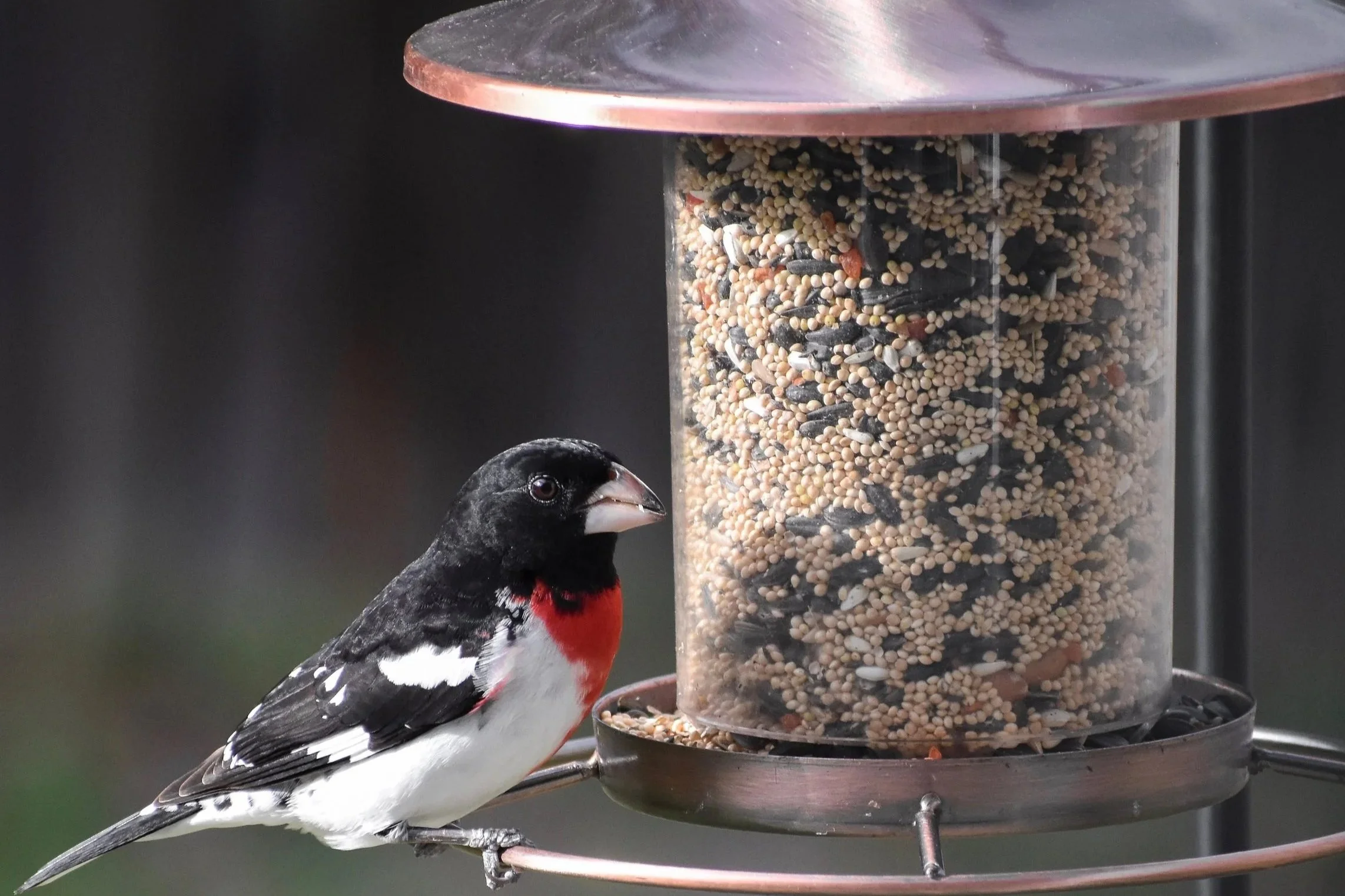
Rose-breasted Grosbeak at feeder. Image by John Tjaarda.
Native plants such as American beautyberry, asters, bee balm, coreopsis, goldenrod, and oakleaf hydrangea provide food in the form of nectar, fruits, and seeds. Native plants are drought-tolerant and disease-resistant and have formed symbiotic relationships with native wildlife over thousands of years and therefore offer the most sustainable habitat.
Butterflies are looking for native plants which provide nectar, and they are also looking for “host plants” to lay their eggs on, and then for their caterpillars to feed on. Each species of butterfly has specific plants which are the preferred food source for their caterpillars. Monarchs, for example, lay their eggs only on milkweed plants, and the caterpillars will chew through a lot of milkweed before forming a chrysalis for the miraculous change to a butterfly.
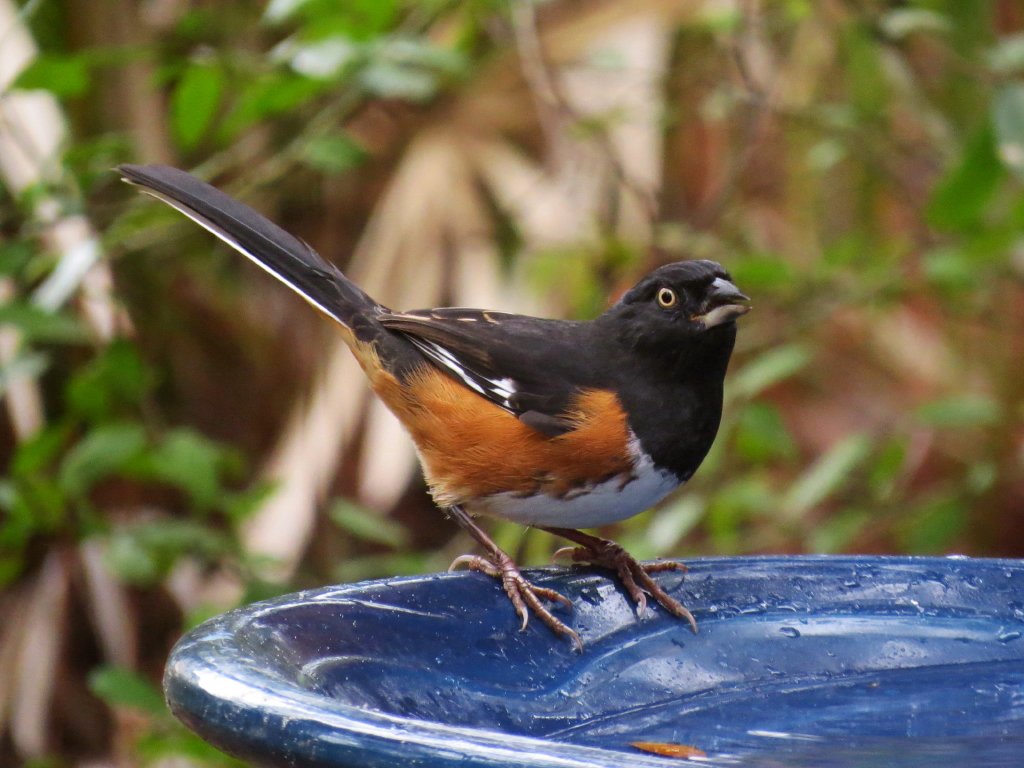
Eastern Towhee at bird bath. Image by Peggy Lucas.
Wildlife can find water at bird baths, shallow dishes, and fountains. Offering several different types of water sources throughout your yard, at varying heights and with various amounts of cover nearby, will encourage a greater diversity of wildlife in your yard.
Evergreen shrubs and trees provide great sources of cover and nesting sites. You can also add a nesting box for birds – mounting it on a metal pole with a squirrel baffle, away from shrubs and trees, will keep the nest safer from predators.
Garden Sustainably for Long-Term Impact
While providing these habitat elements, it is also important to consider using sustainable gardening practices in your yard. Limiting chemical fertilizers and avoiding pesticides and herbicides is extremely important for providing a healthy environment. You can also cut down on water use by selecting native plants, mulching flower beds, and using drip/soaker hoses instead of sprinklers.
Once you have these main ingredients for habitat – food, water, cover, and places to raise young, and are taking steps to garden sustainably, you can apply to be a Certified Wildlife Habitat with the National Wildlife Federation.
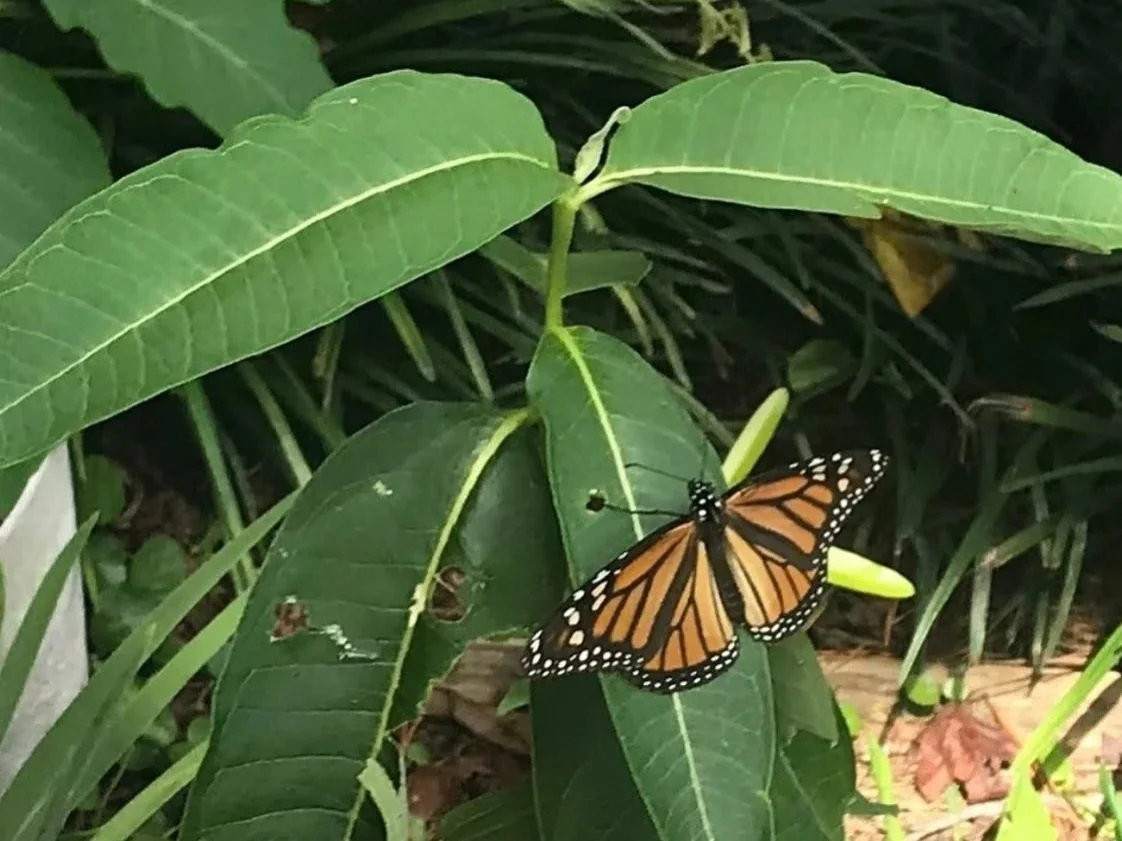
Monarch butterfly on Native Milkweed. Image by Sara Green.
Share Your Success!
Going a step further, tell your neighbors, and spread the word throughout your community. Your entire town could be a certified Community Wildlife Habitat! The City of Columbia was designated as a certified community in 2019 and is continuously working with residents to continue enhancing habitat in yards, and at common areas, parks and schools.
Working together on these little steps creates a network of habitats and increases the impact for wildlife, either year-round residents, or migratory species passing through. You can find out more about habitat gardening, including lists of native plants valuable to wildlife, on the South Carolina Wildlife Federation’s website: https://www.scwf.org/habitats
Article by Sara Green, Executive Director, South Carolina Wildlife Federation
